Construction & Demolition Waste Recycling Plant
We plan C&D waste processing lines for concrete, brick, masonry and mixed construction debris. The plant is built around the waste size, required output and available site.
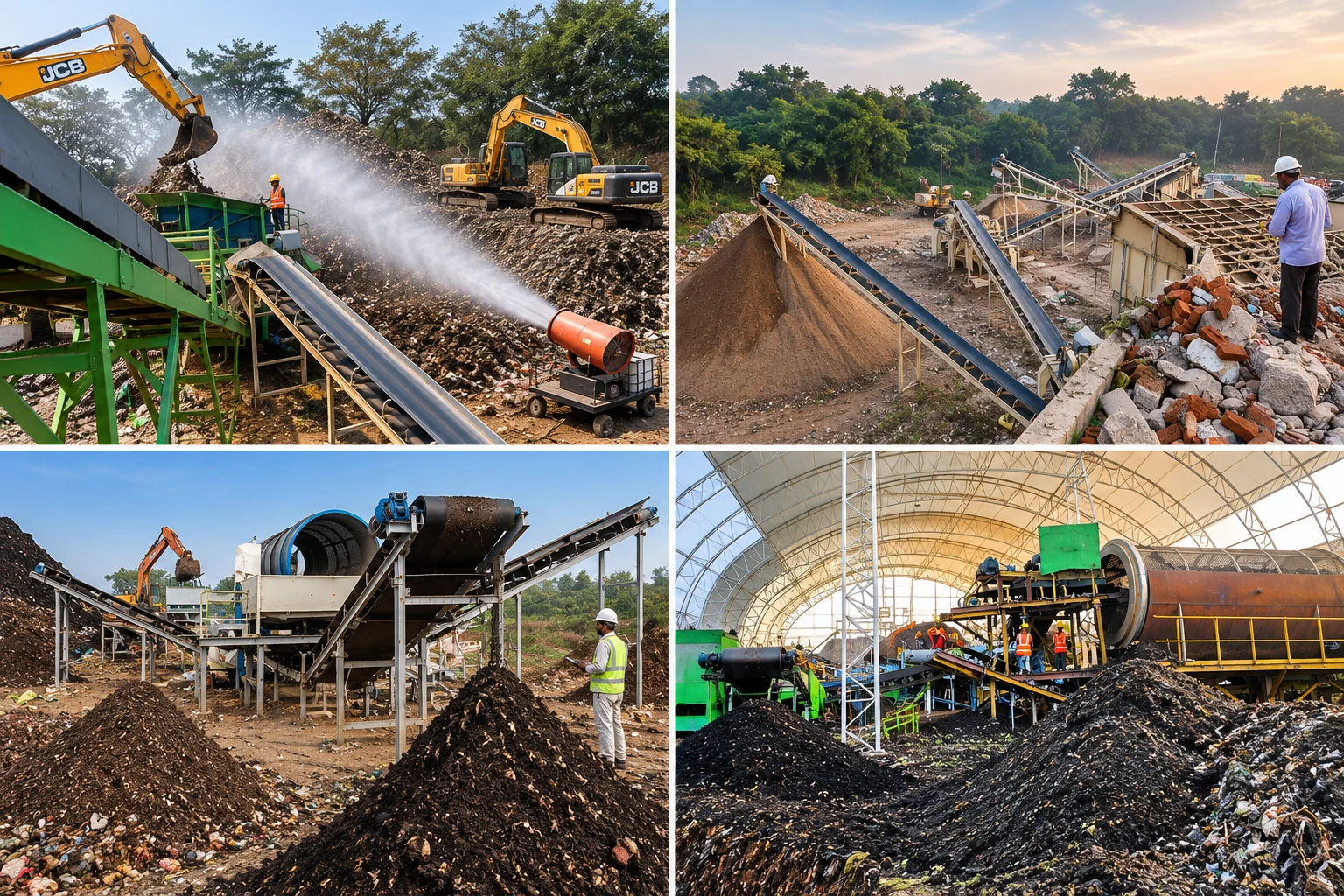
It receives construction and demolition waste, removes unwanted material, reduces large pieces where needed, separates material by size and recovers useful fractions for further use or dispatch.
C&D project types we can plan and integrate
The exact plant changes with the material, capacity, required product size and site condition. We select the process around the project instead of forcing one fixed machine line.
For concrete, masonry and mixed mineral fractions that need size reduction and grading.
For mixed C&D input where unwanted material and recoverable fractions need separation.
Screening and size classification for recovered mineral material.
Feeders, conveyors, separation and stockpiling arranged around the site layout.
How a C&D waste processing plant works
A typical line can follow these steps. The final sequence depends on the incoming waste and the output you want.
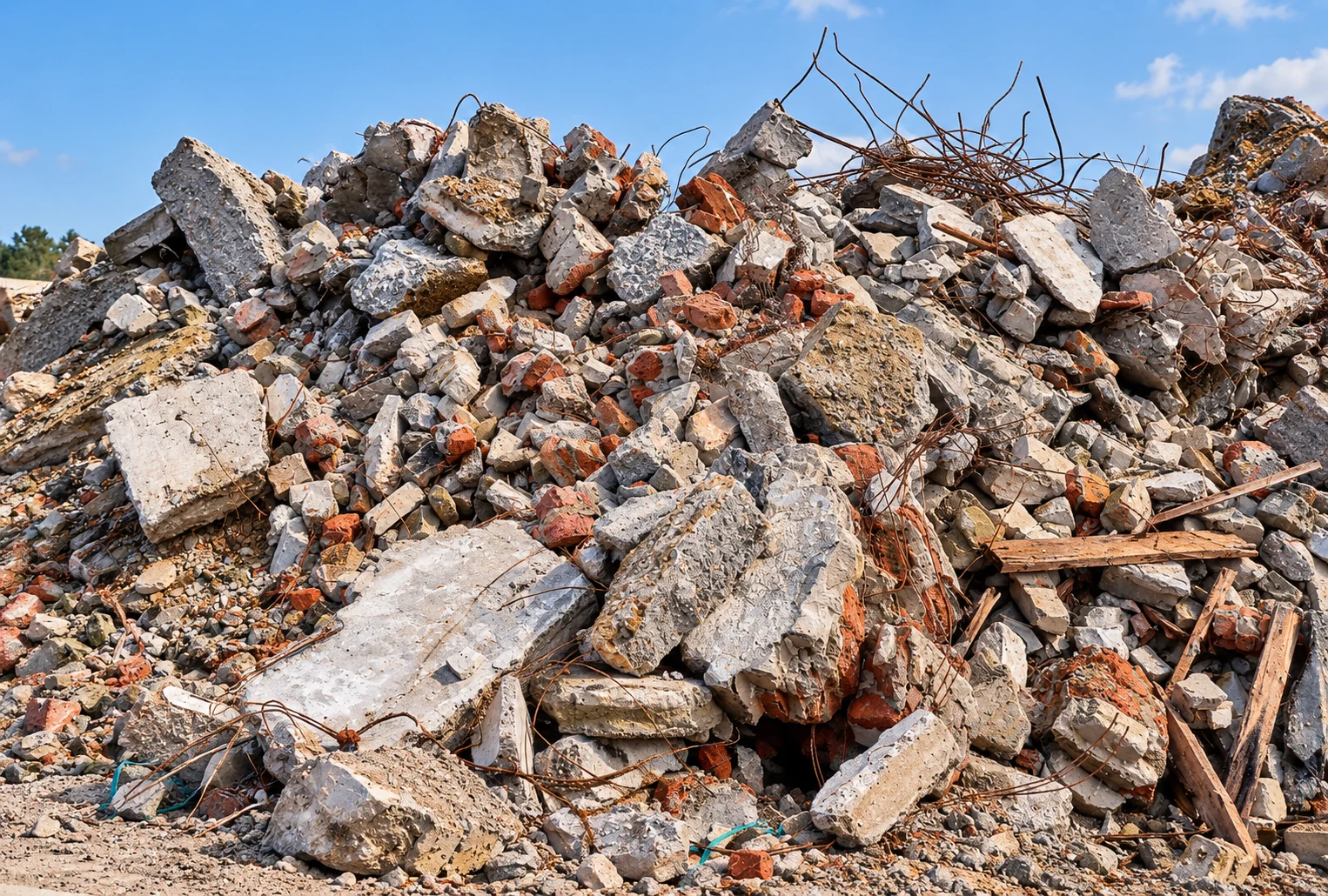
C&D waste is not one uniform material.
The plant should be selected after understanding what is actually coming to site. Concrete-heavy waste, brick and masonry, steel reinforcement, soil, wood and mixed debris can need different handling.
Machines are selected around the waste and output
A C&D plant can combine crushing, screening, separation and material handling equipment. Not every project needs every machine.
Where the feed needs size reduction, a suitable crusher or jaw crusher can be included before the screening stages.
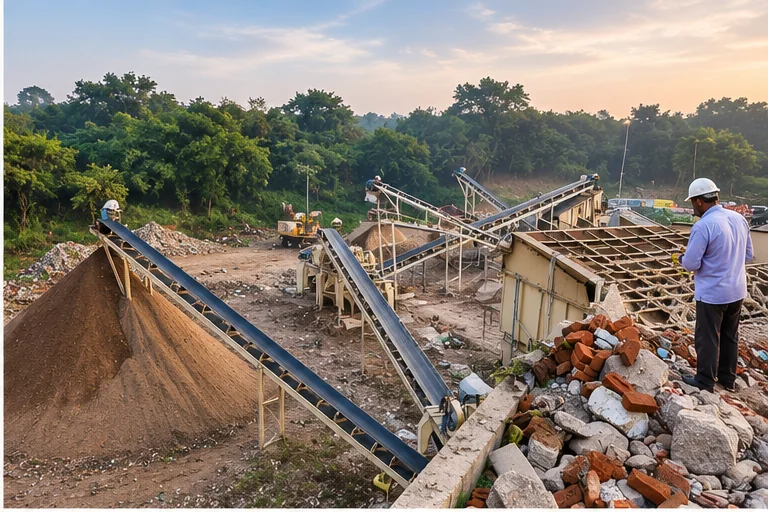
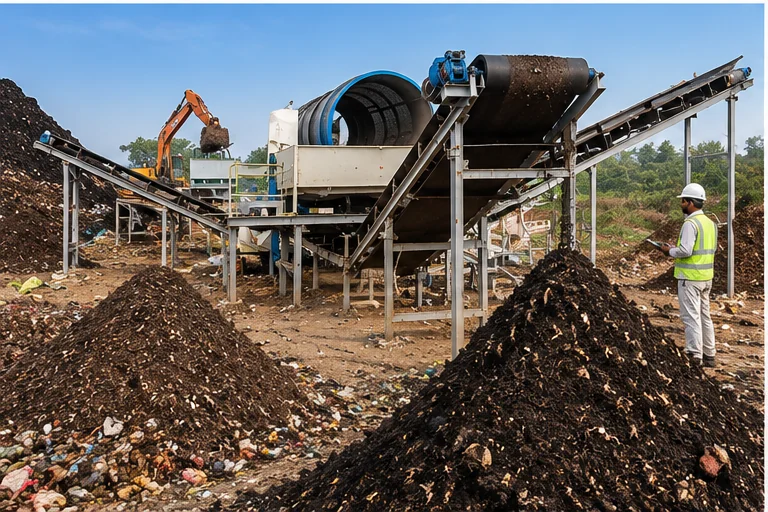
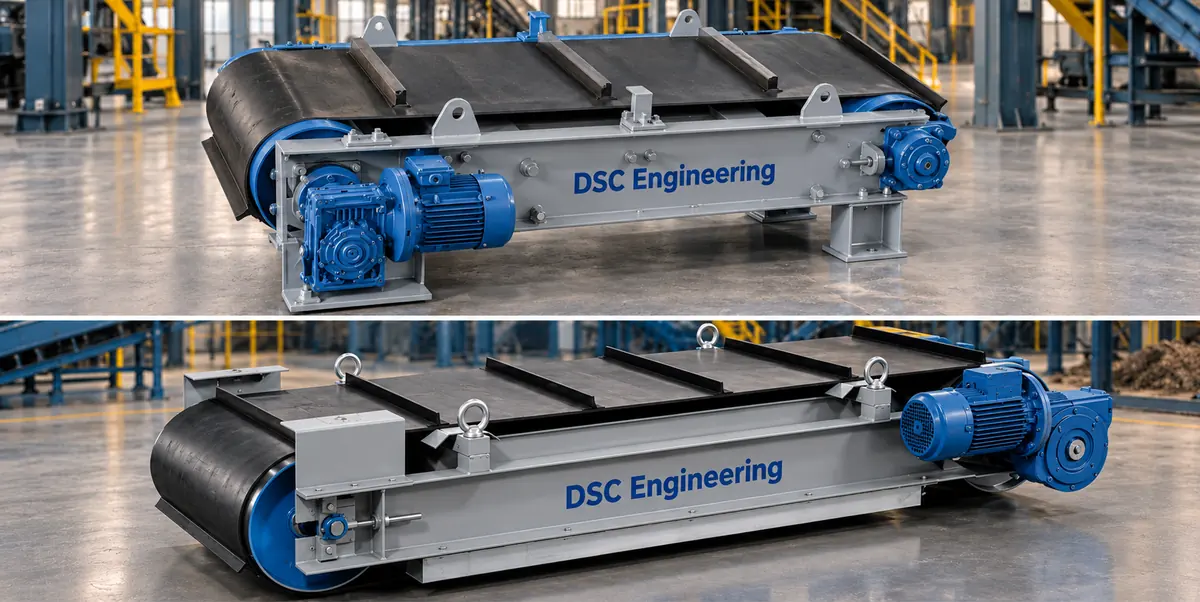
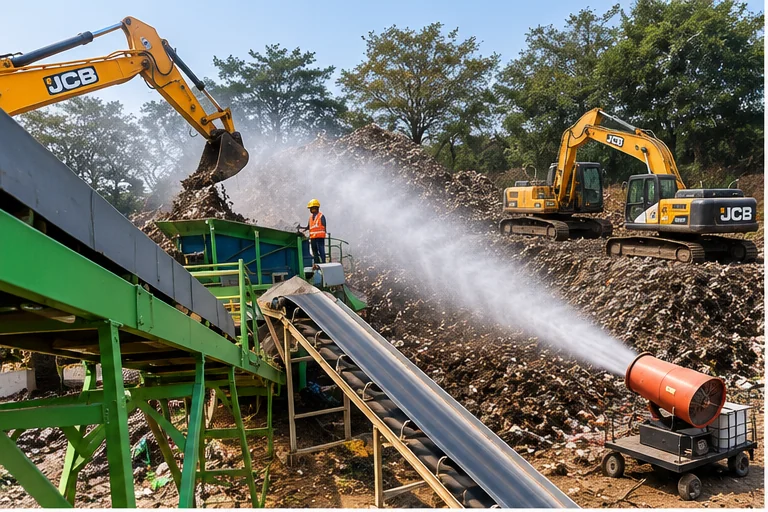
The site decides the final plant layout
Capacity alone does not define a C&D project. Feed size, material mix, plot shape, dust control, vehicle movement and required output all affect the layout.
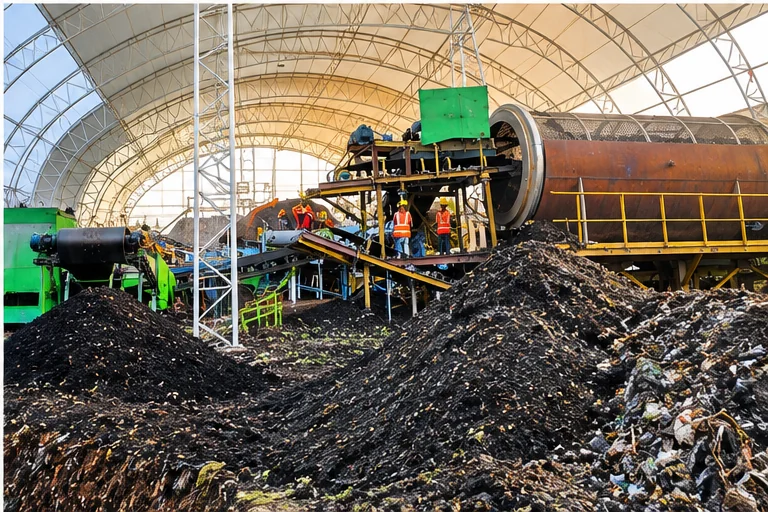
Arrange machines in the right sequence
Receiving, crushing, screening, separation and stockpiling should work as one material flow. The layout is planned to reduce unnecessary re-handling and keep maintenance access practical.
Start with waste, site and output
Before final machine selection, we look at expected quantity, maximum feed size, contamination level, available area, power and the size fractions you want to recover.
What can come out of a C&D processing line?
Actual output depends on input quality and project specification. The plant is planned around the recovery and grading target.
Processed concrete, brick and masonry separated by size.
Steel and iron fractions separated from the material flow.
Material that needs another crushing or screening pass.
Unwanted material kept separate for appropriate handling.
Start with the waste and the site.
Share the basic project details. We can then discuss a suitable processing sequence and the equipment that may be required.
Talk to DSC Engineering
For a C&D plant discussion, send the available project details on WhatsApp or call our team.
WhatsApp Project TeamCall +91 99588 58881Explore other waste project solutions
Move directly to the waste category relevant to your project.
Common project questions
Short answers for buyers planning a construction and demolition waste processing project.
What is a C&D waste recycling plant?
It is a processing line used to sort, size-reduce, screen and separate construction and demolition waste so useful fractions can be recovered and graded.
What type of material can a C&D plant handle?
The input can include concrete, brick, masonry, soil, metal and mixed construction debris. The exact process depends on the material mix and feed size.
Is a jaw crusher required in every C&D plant?
No. Crushing equipment is selected only when the incoming material and required output need size reduction. The crusher type and size depend on the project.
How is the capacity of a C&D plant decided?
Capacity is considered together with feed size, operating hours, material composition, site area, handling method and the required output.
Can DSC Engineering plan a complete C&D processing line?
DSC Engineering can support project-specific process planning, equipment selection, plant layout, fabrication and integration, installation and commissioning support according to the agreed scope.