E-Waste Recycling Plant & Processing Line
We plan e-waste processing lines for sorting, dismantling support, selected size reduction and material separation. The final machine setup depends on the electronic waste coming in and the output you need.
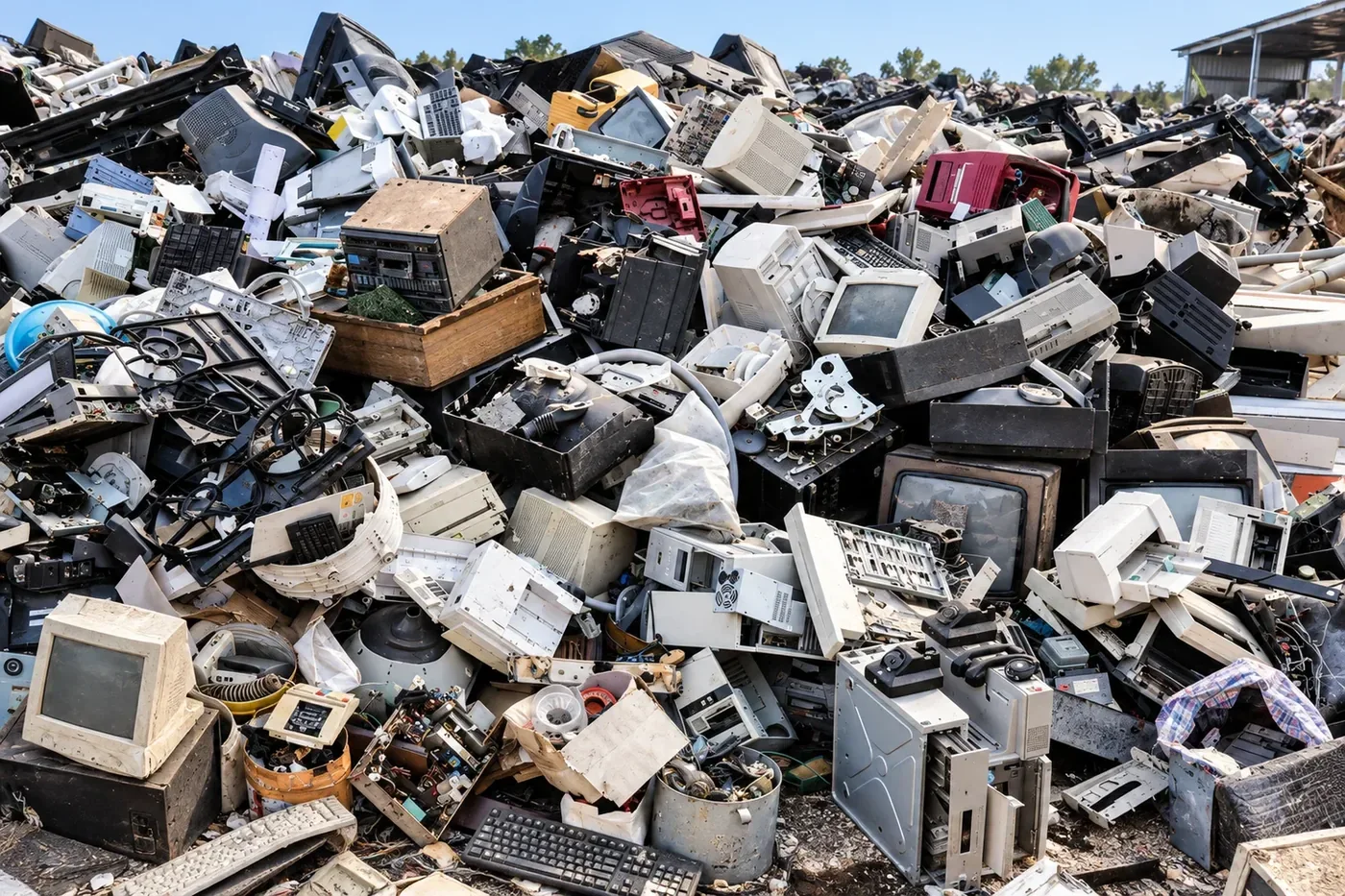
It receives discarded electronic equipment, sorts it by type, removes items that need separate handling and prepares selected material for recovery or downstream recycling.
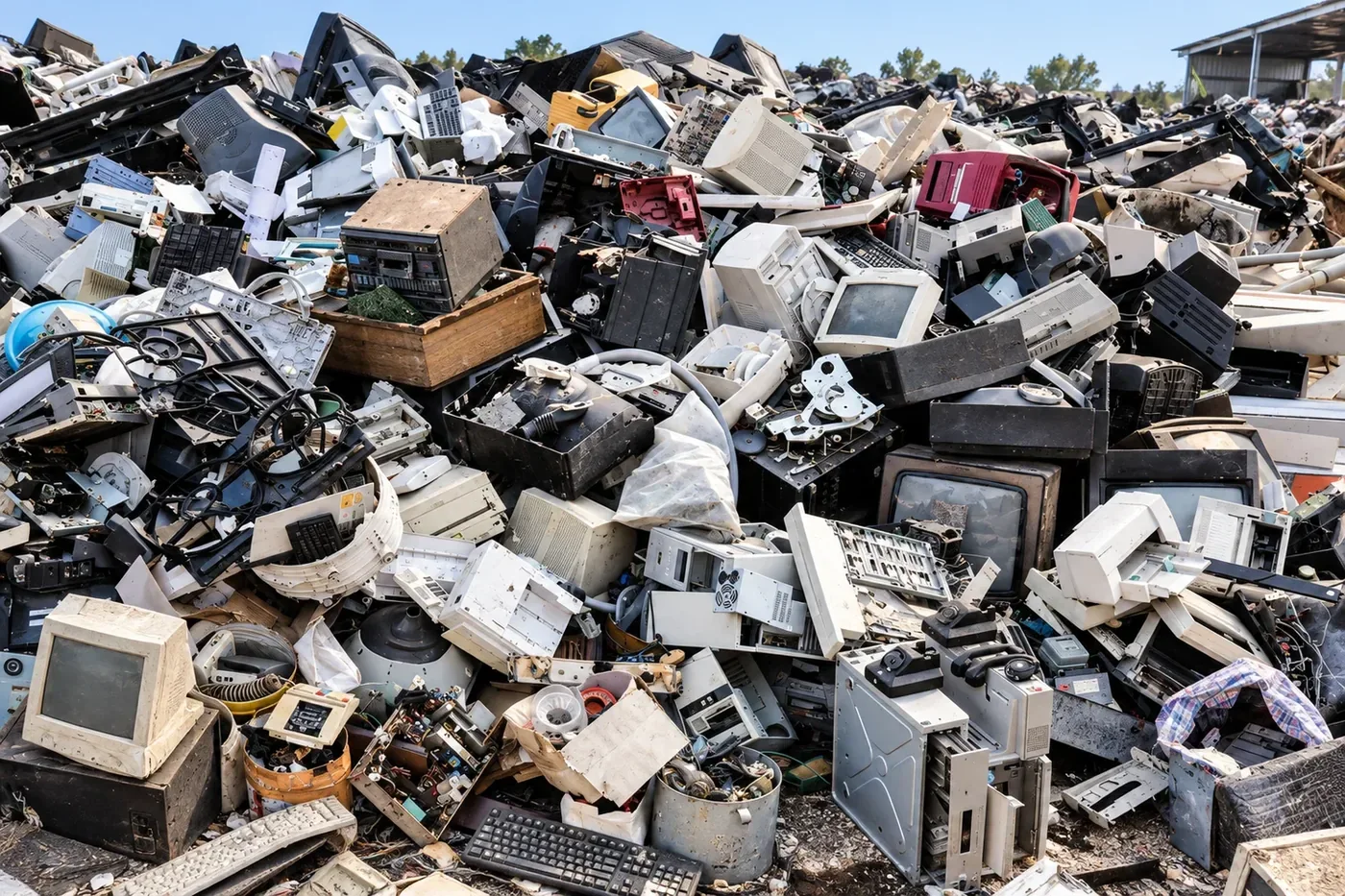
Electronic waste types we can plan around
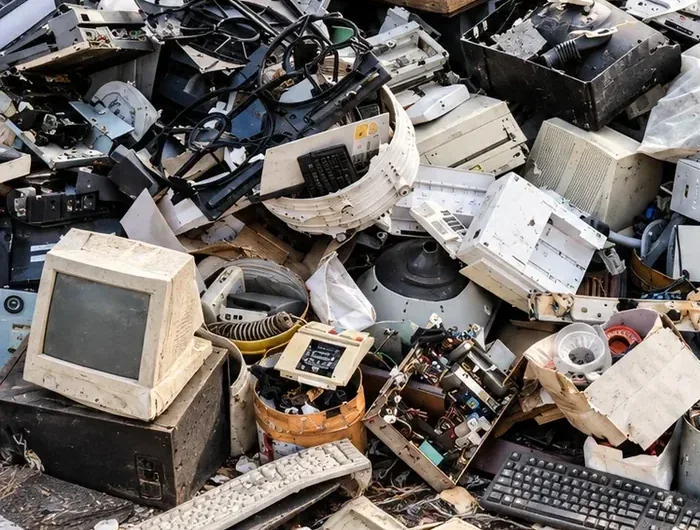
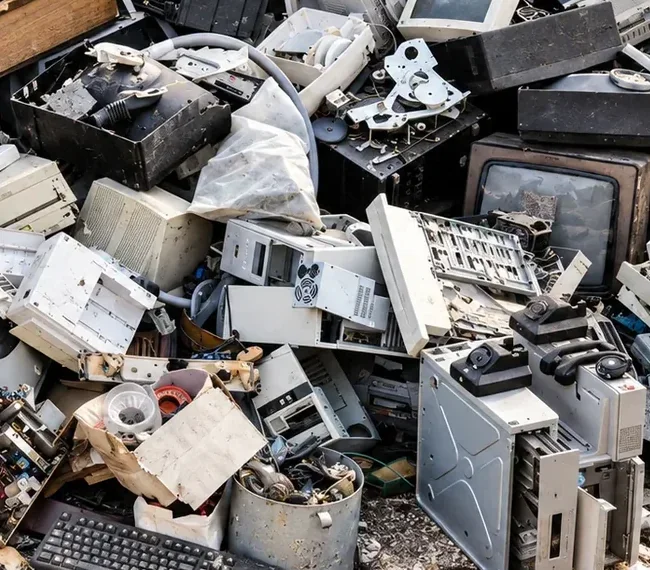
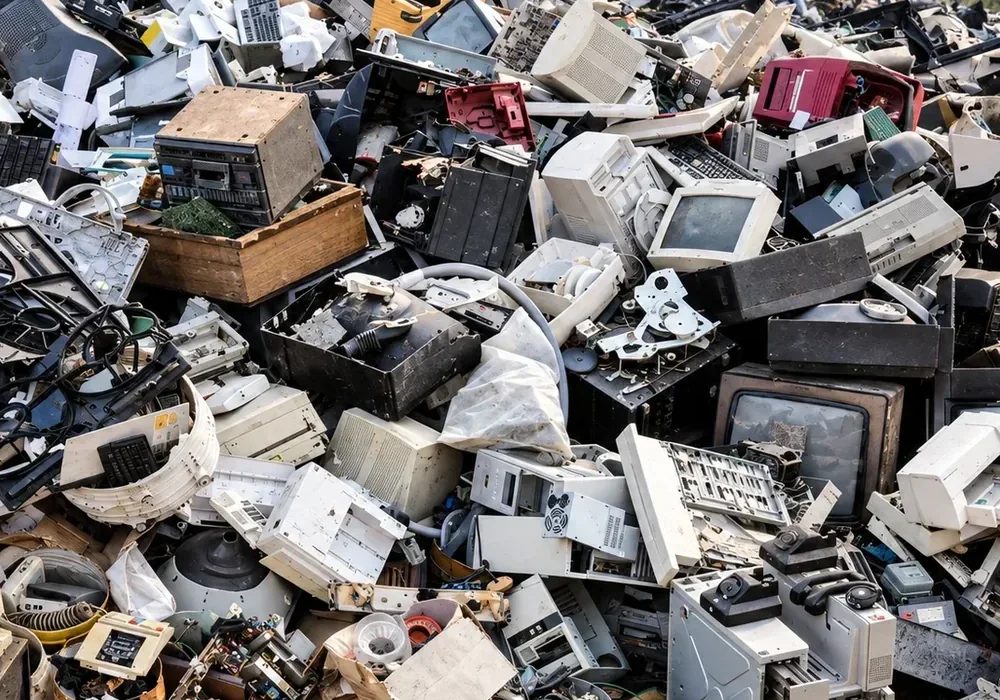
The incoming mix matters. Different electronic products need different sorting, dismantling and handling before any mechanical processing.
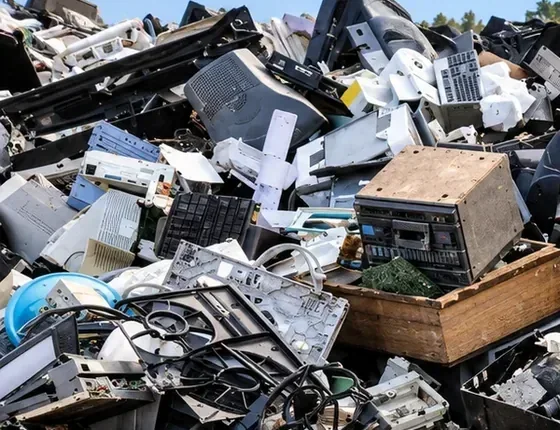
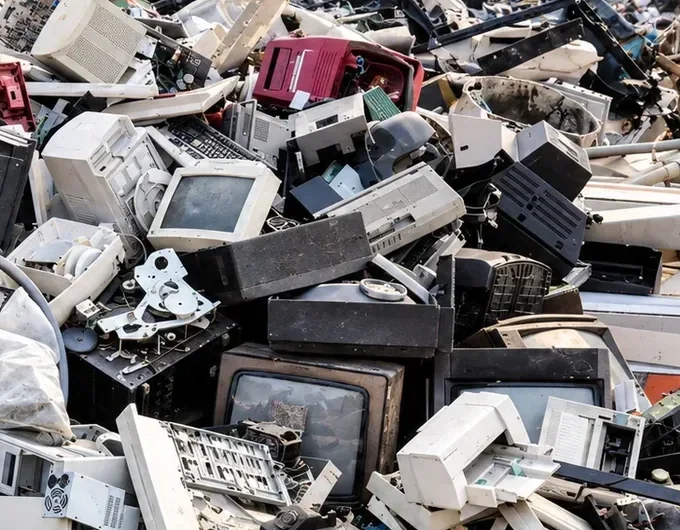
How an e-waste processing line works
A typical project can use these steps. The exact sequence changes with the incoming electronics and required output.
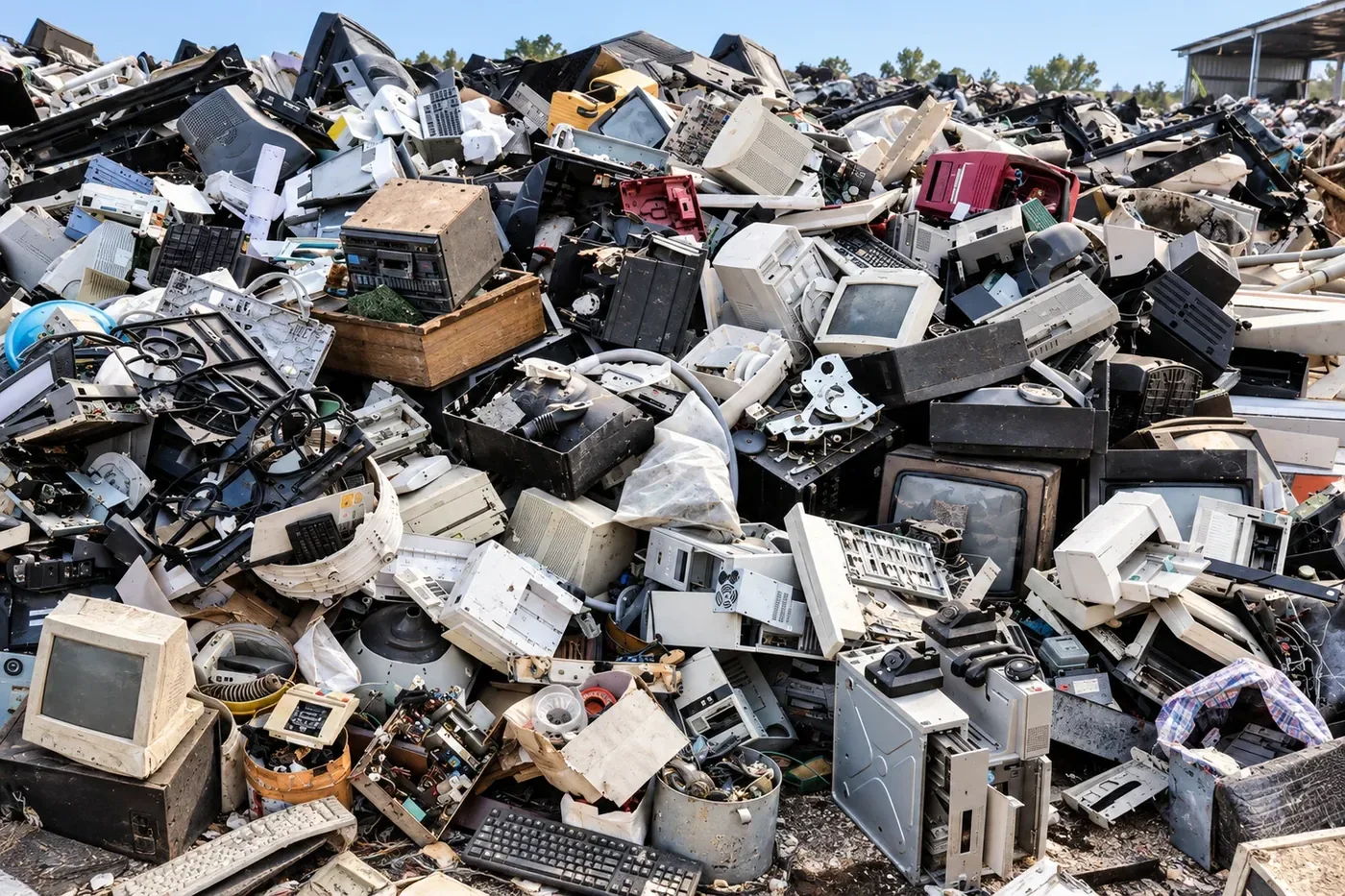
The electronic mix decides the line.
One machine combination does not suit every e-waste project. We first understand what electronics are coming in, what needs separate handling and what material form you want at the end.
Machines are selected around the e-waste mix and required output.
An e-waste line may use one or more of these systems. Final selection depends on the confirmed material and project scope.
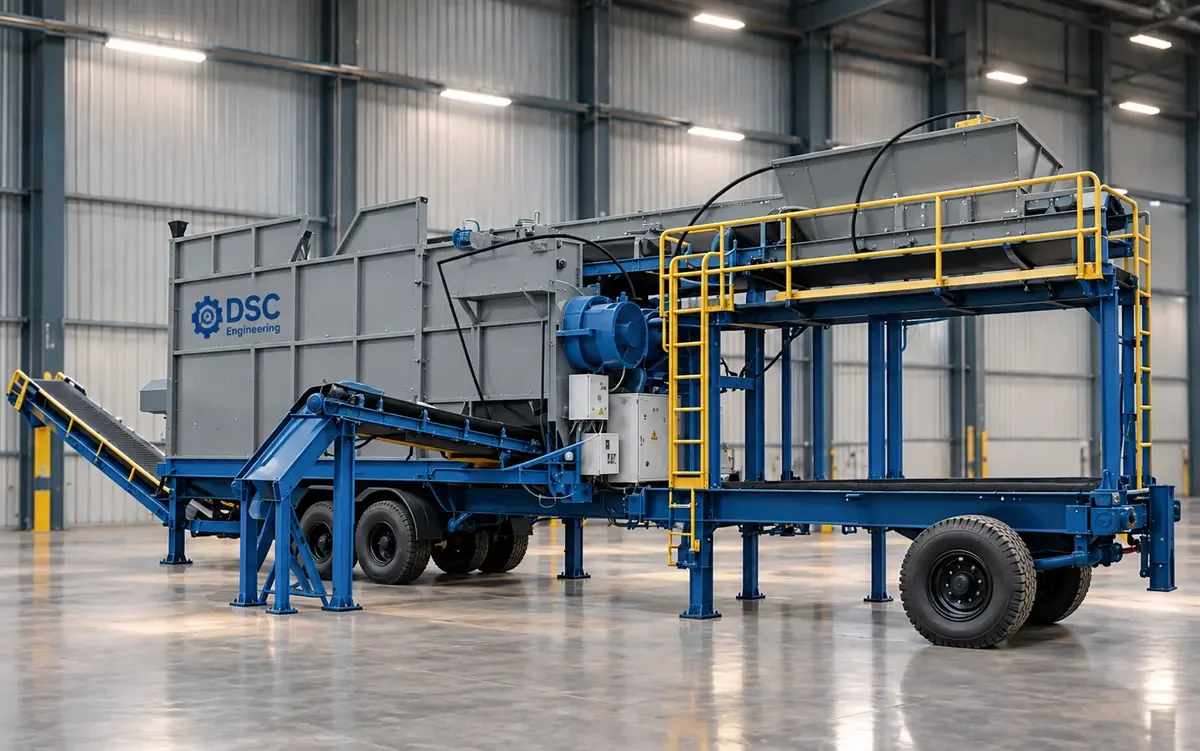
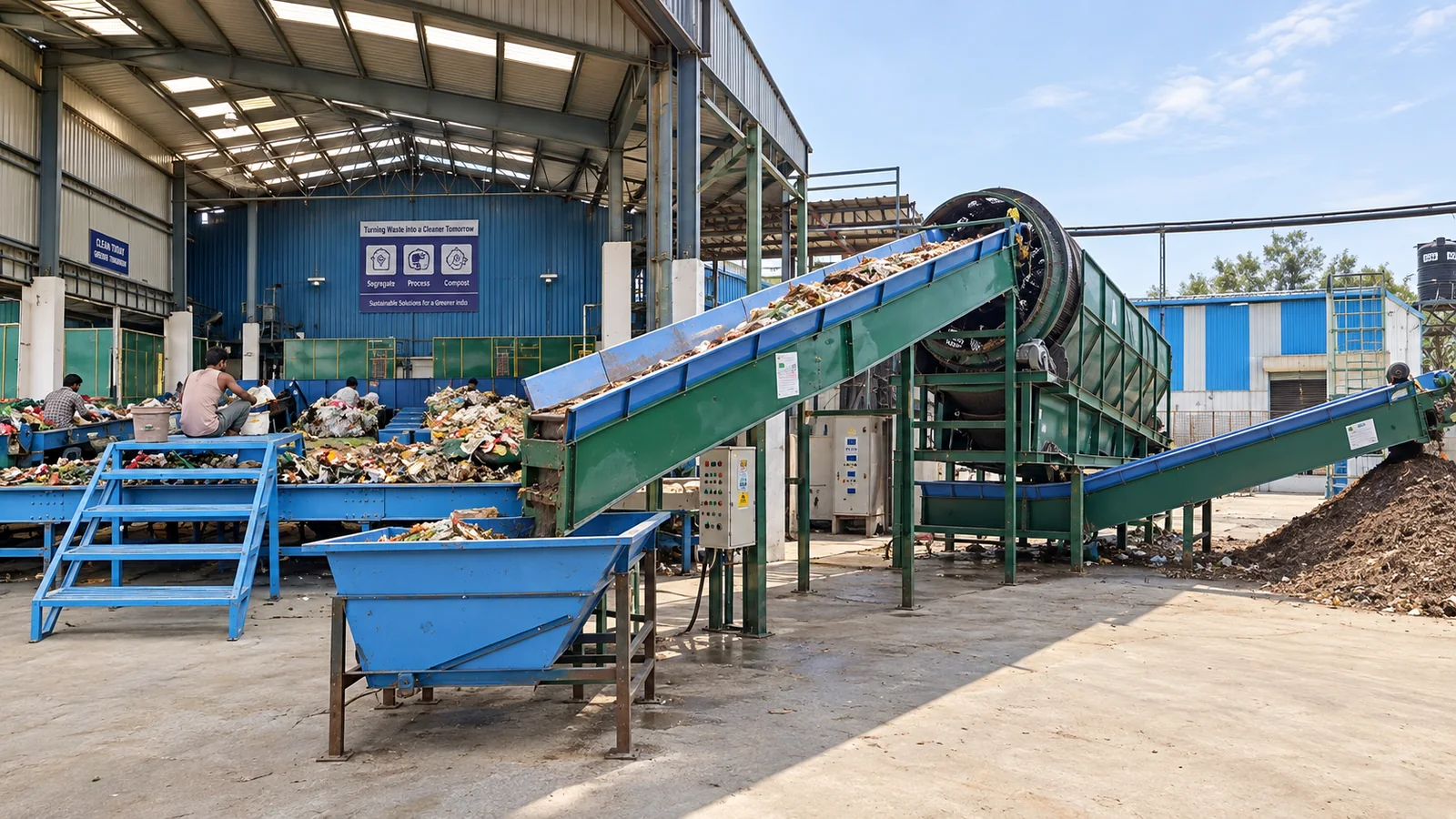
Moves electronic material through controlled sorting and dismantling stages.
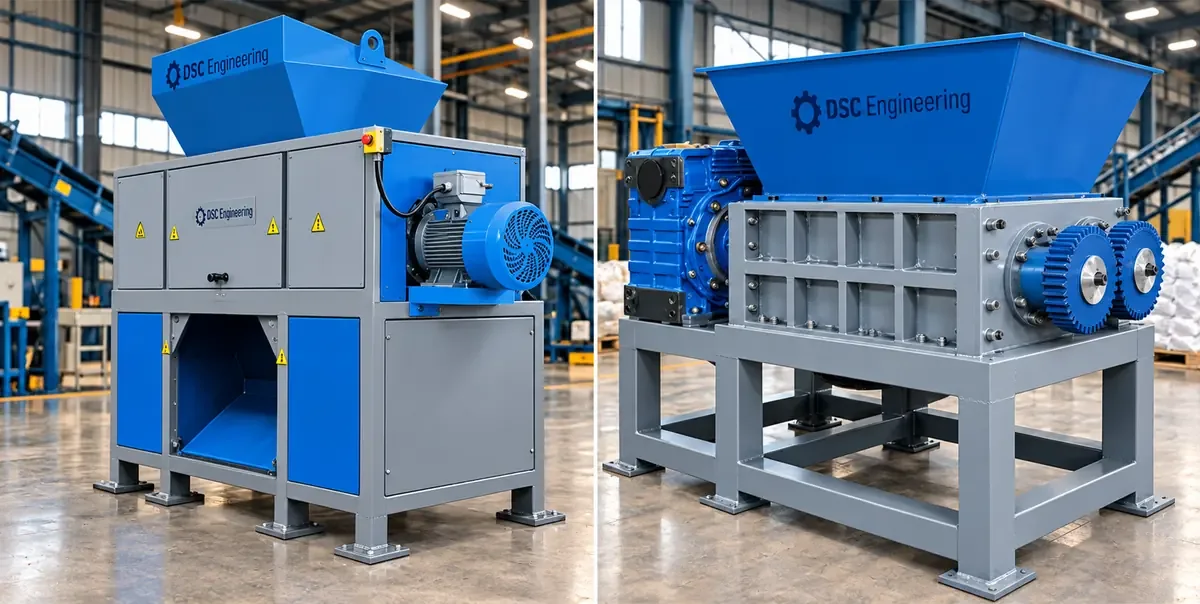
Used only for selected material fractions when size reduction is part of the confirmed process.
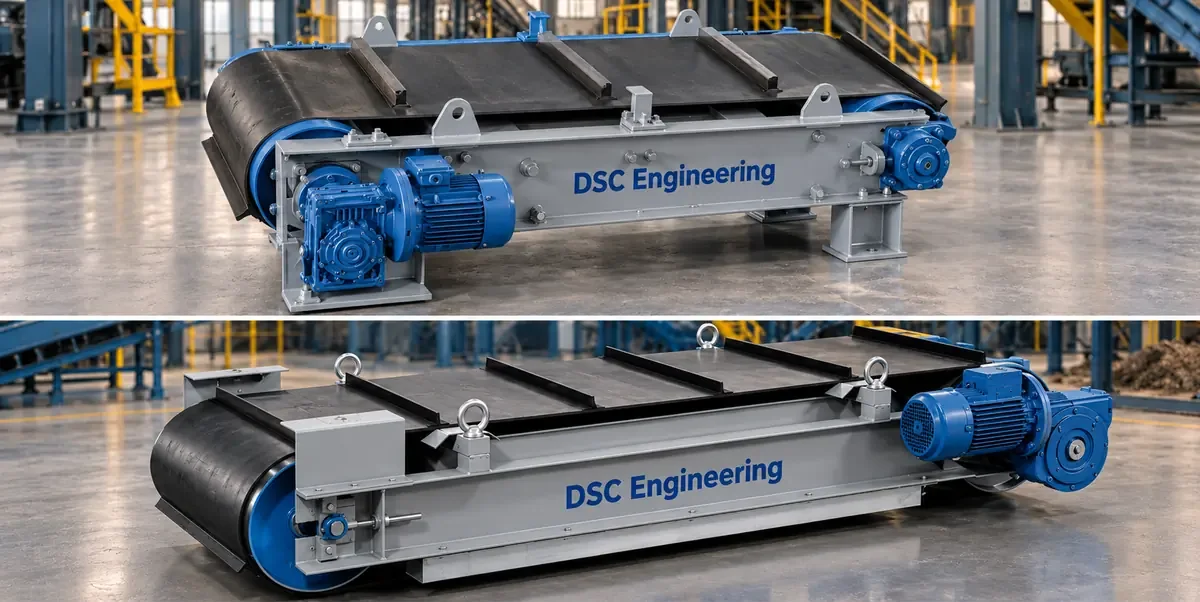
Helps remove ferrous metal from selected processed material.
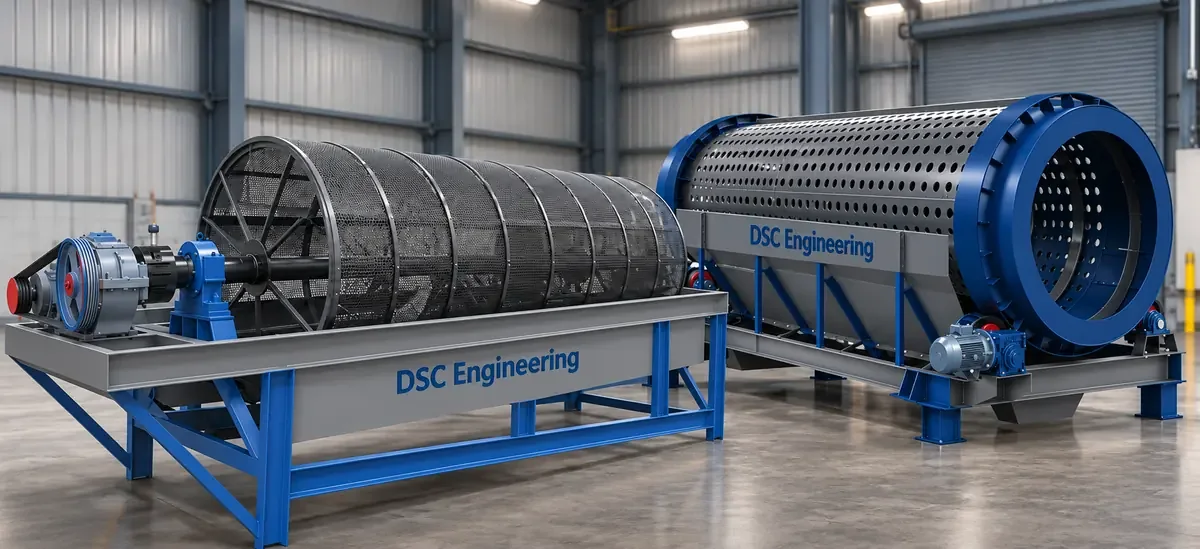
Helps separate material by size where the process requires it.
Start with the actual electronics, quantity and required output.
These details help decide whether the project needs sorting, dismantling, shredding, magnetic separation, screening or a combination of systems.
Basic details before machine selection
Share photos or a list of the electronic waste, approximate quantity, whether batteries or lamps are present, required output, operating hours and available project area.
What can come out of an e-waste processing line?
The final material depends on the equipment and downstream scope selected for the project.
Electronic items separated by type before further processing.
Metal-containing material prepared for the appropriate next recycling stage.
Plastic housings or separated plastic material routed separately.
Batteries, lamps or other items kept out of the general mechanical line.
Share the incoming electronics and the output you need.
Send photos, approximate quantity, project location and available space. We can then discuss a suitable sorting and processing approach.
Explore other waste project solutions
Move directly to the waste category relevant to your project.
Common project questions
Simple answers for buyers planning an electronic waste processing project.
What is an e-waste recycling or processing plant?
It is a line used to sort, dismantle and prepare discarded electronic equipment for material recovery or the next recycling stage. The exact machines depend on the incoming e-waste and required output.
Does every e-waste project need a shredder?
No. Shredding should only be used for selected fractions when size reduction is useful and separate-handling items have already been removed.
Can batteries and lamps go through the same line?
They should be identified and handled separately from a general mechanical processing line unless a specific process has been confirmed for them.
Can the line include sorting, magnetic separation and screening?
Yes, these systems can be integrated when they suit the confirmed e-waste stream and required output.
Does this page include precious-metal extraction?
No. This page covers mechanical sorting and material-preparation equipment. Any specialist downstream metal recovery process should be discussed and confirmed separately.
What details are needed for a project discussion?
E-waste type, approximate quantity, presence of batteries or lamps, required output, operating hours, project area and location are useful starting details.