Waste Tyre Recycling Plant & Processing Line
We plan scrap tyre processing lines for shredding, size reduction, steel separation and rubber recovery. The machine setup depends on the tyre type, required output size and plant capacity.
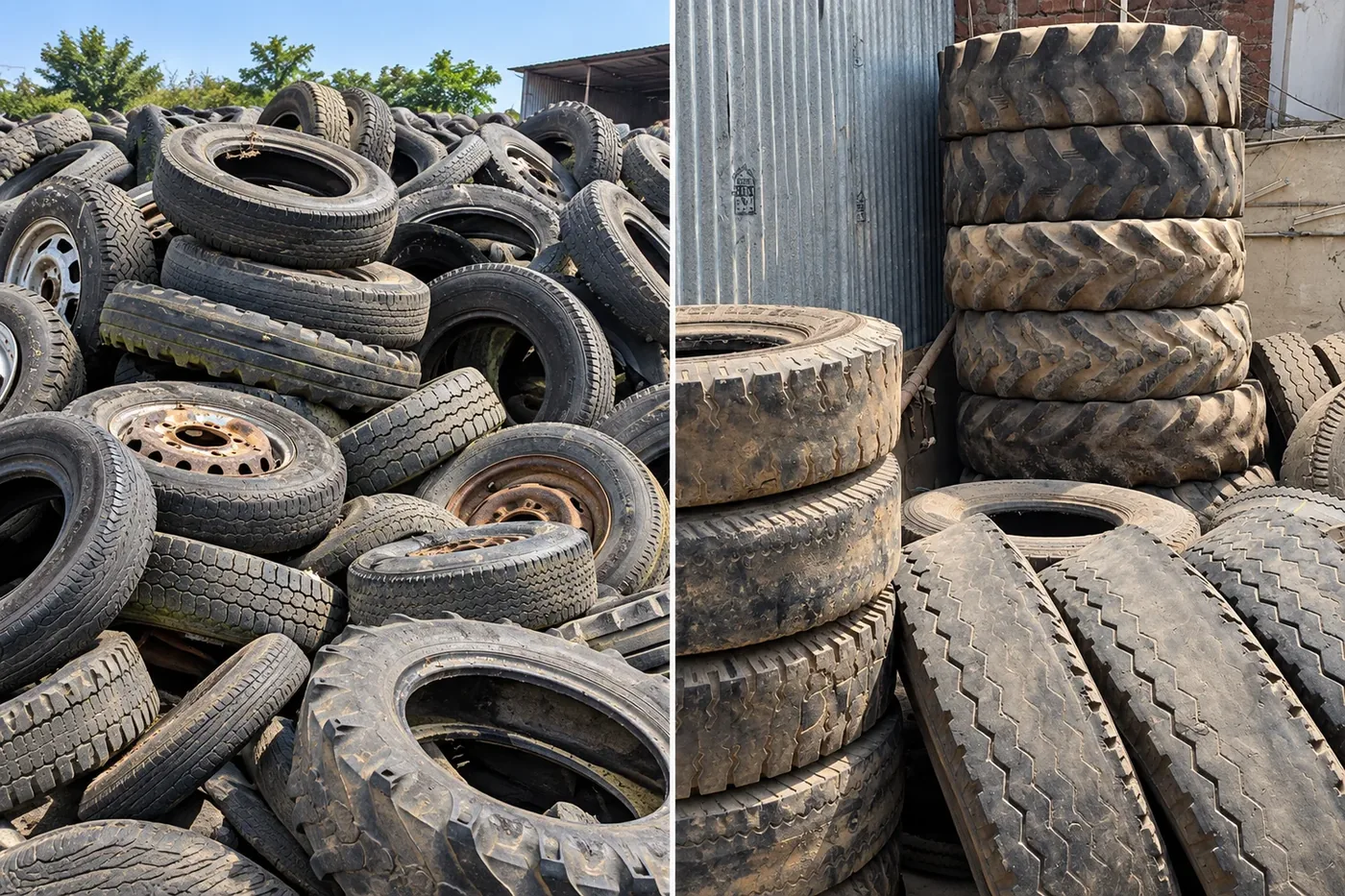
It cuts old tyres into smaller pieces, separates steel and other fractions where required, and prepares rubber material for the next use or recycling process.
Scrap tyre project types we can plan and integrate
The line is selected around the tyre type, capacity and output you want. One fixed machine combination does not suit every project.
Primary size reduction for old passenger, truck or mixed scrap tyres.
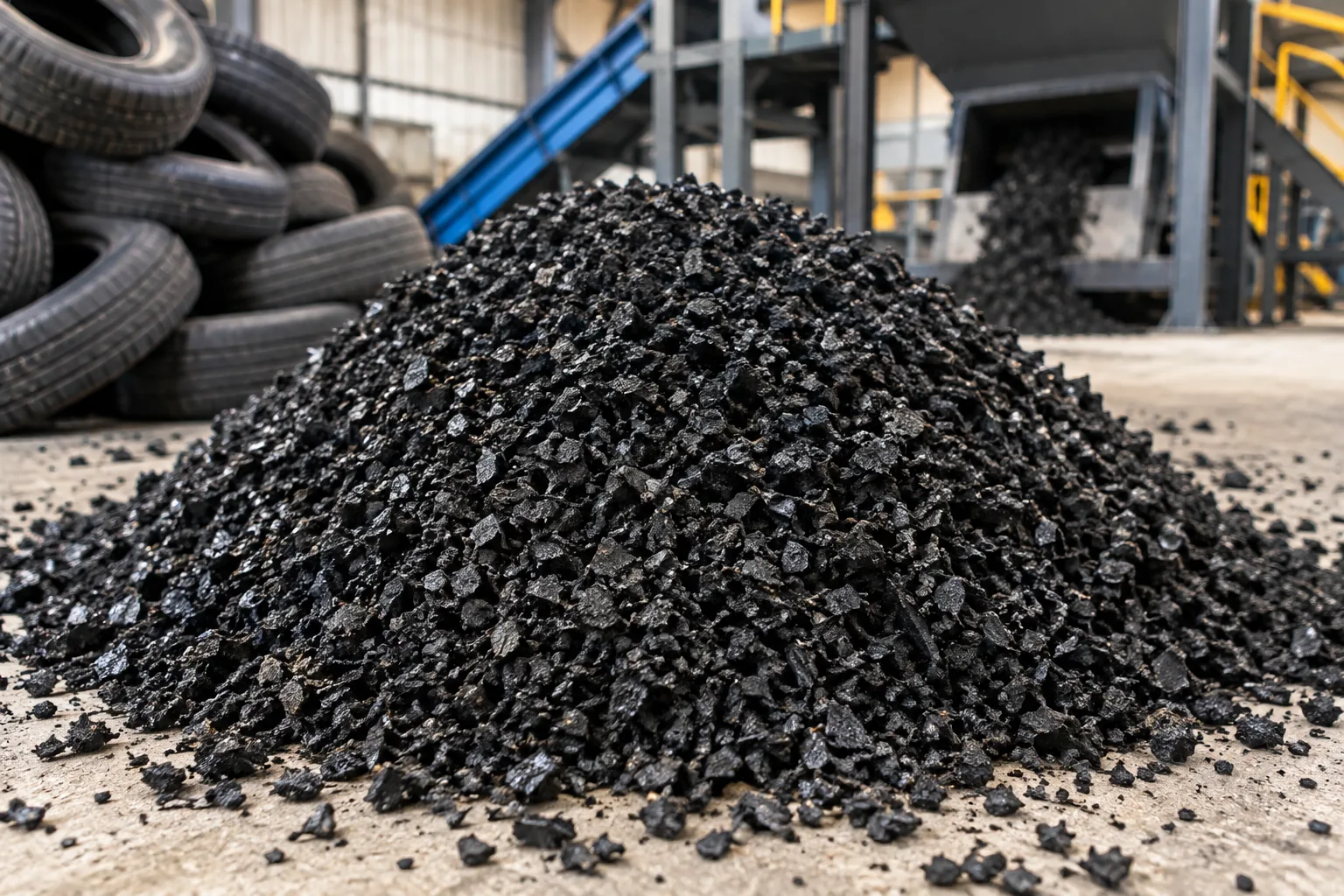
Controlled size reduction and screening for tyre-chip preparation.
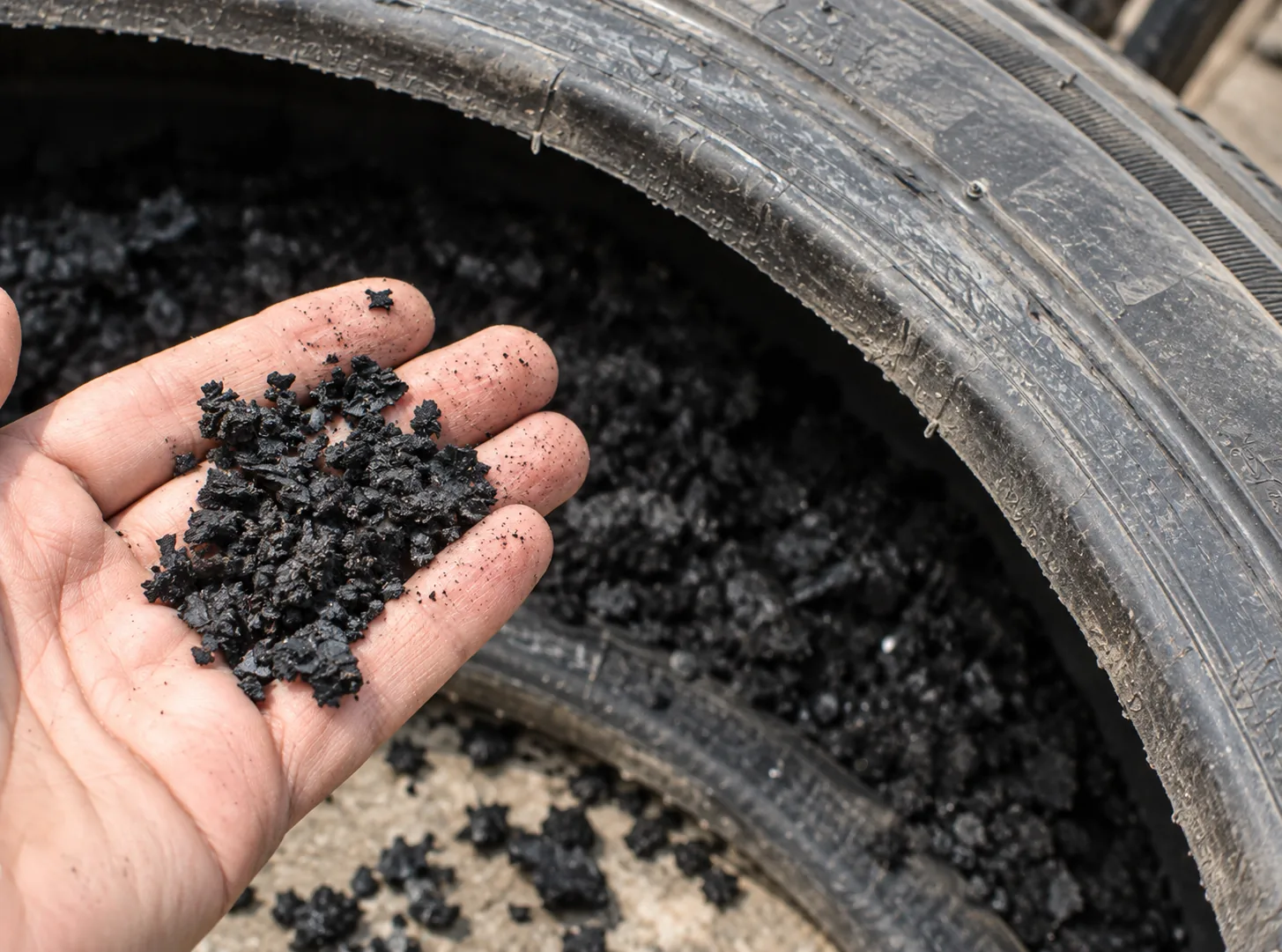
Additional size reduction and grading where smaller rubber fractions are required.
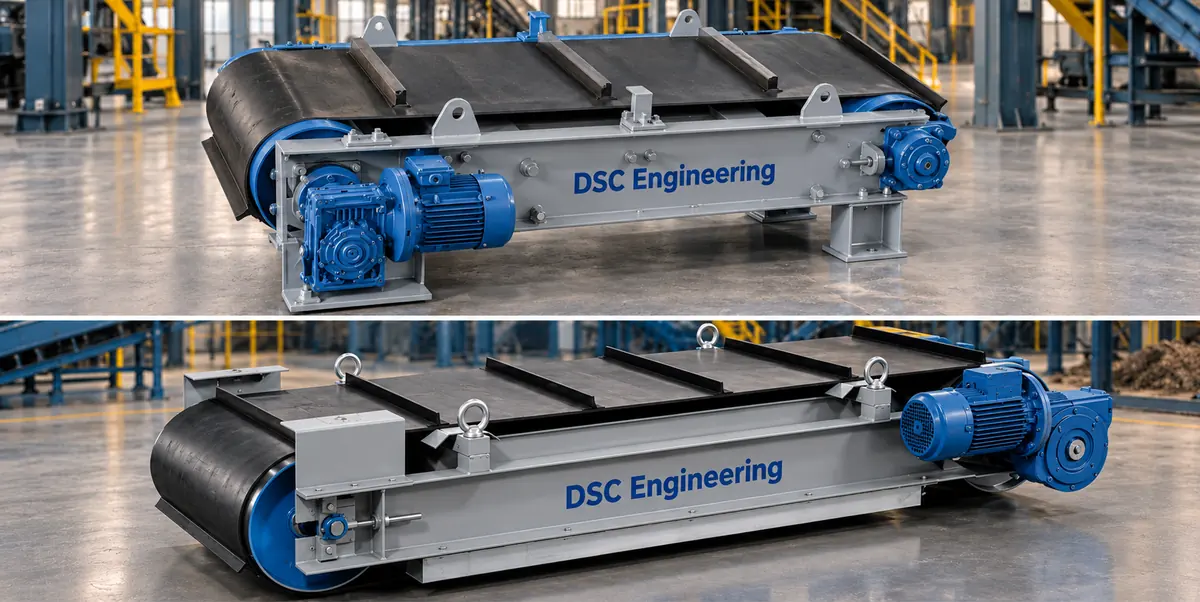
Magnetic separation and material handling for recovered ferrous metal.
How a scrap tyre processing line works
A typical mechanical tyre-recycling line can follow these steps. The exact sequence depends on the tyre and required final size.
Tyre type and output size decide the plant.
A passenger tyre, truck tyre and mixed scrap-tyre stream do not behave the same way. We first understand the incoming tyres and the required output before finalising the equipment sequence.
Machines are selected around the tyre and target output.
The plant may use one or more of these systems. Final equipment depends on capacity, tyre size and the required final fraction.
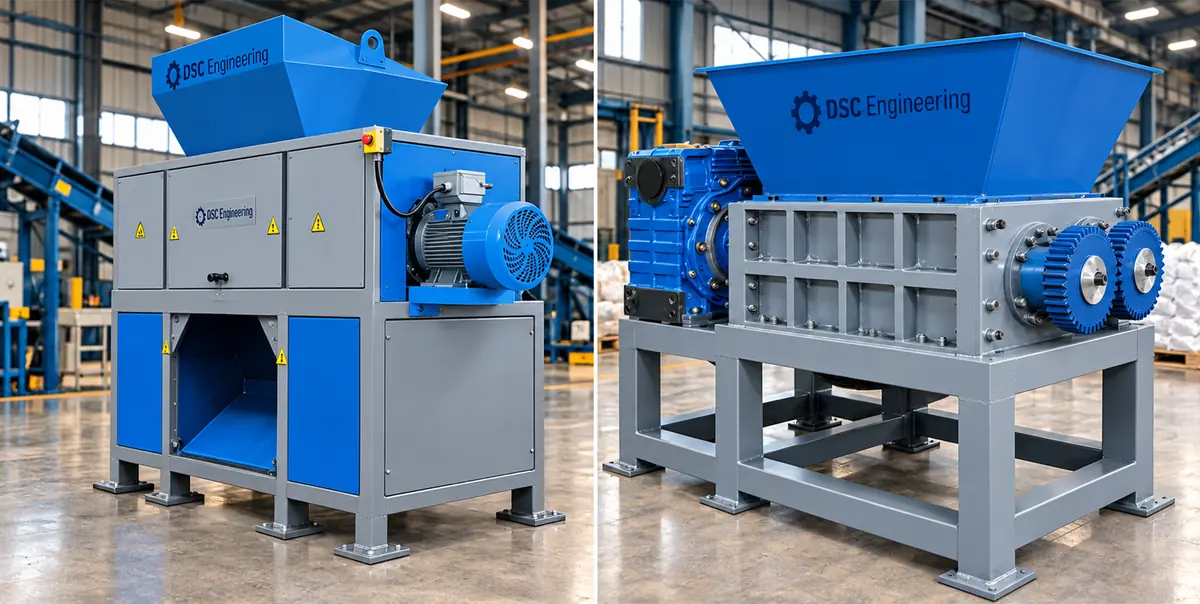
Heavy-duty first-stage size reduction for scrap tyres.
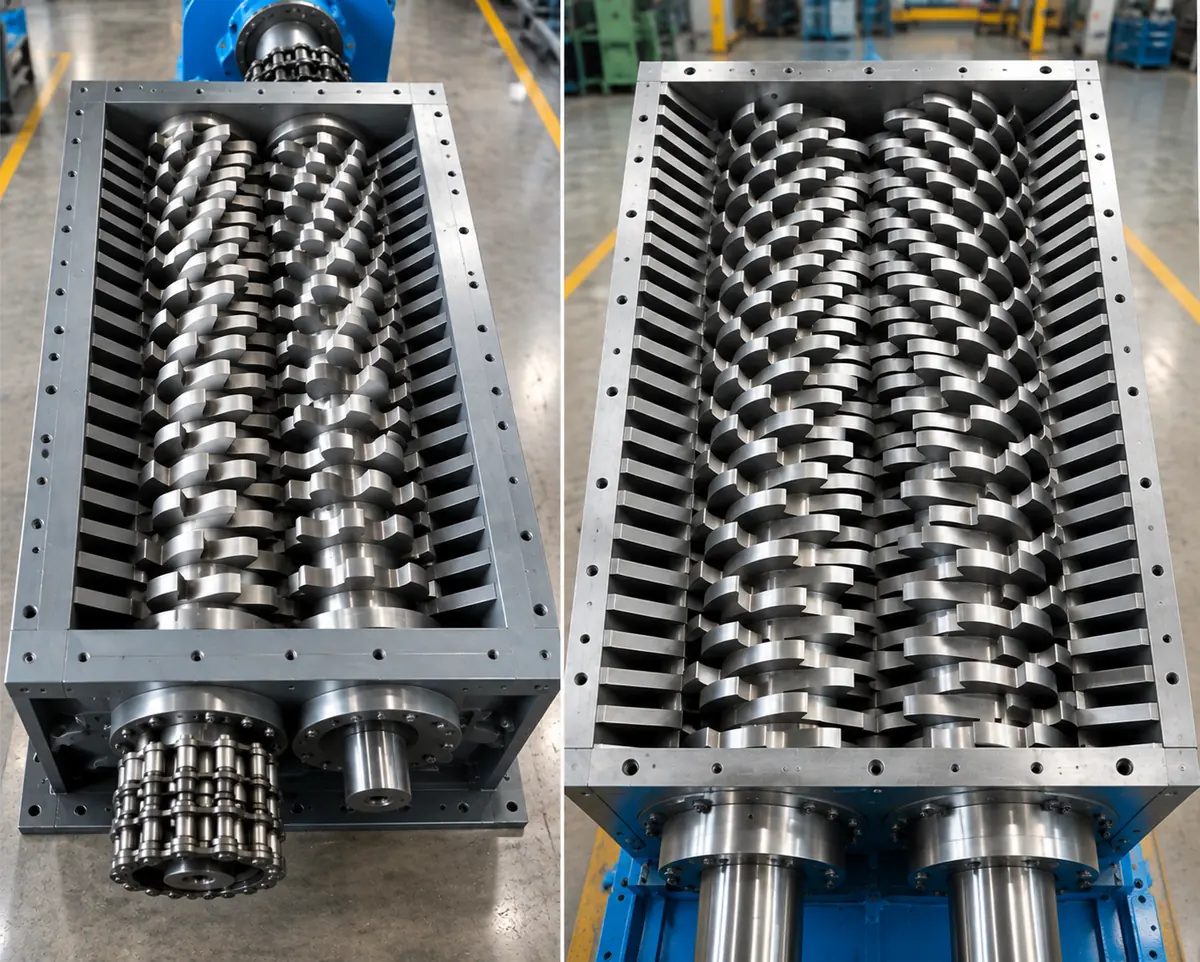
Cutter design selected according to tyre type and required output.
Removes recoverable ferrous steel from the material stream.
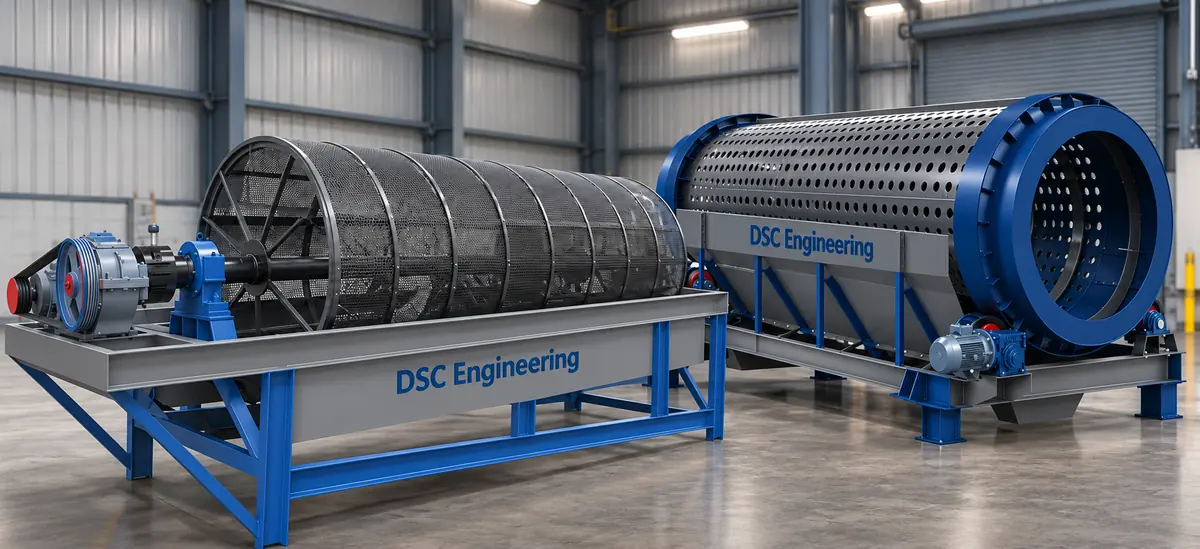
Separates processed rubber by required size.
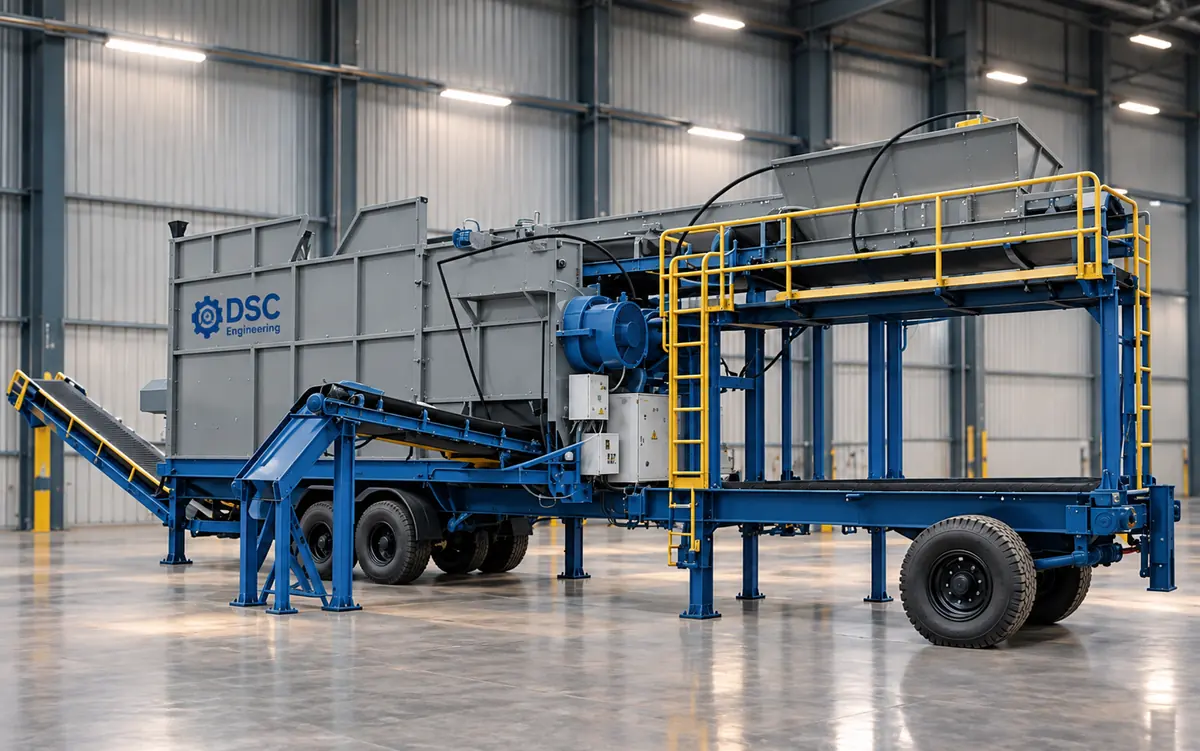
Moves tyre pieces and recovered fractions between process stages.
Start with the tyre, capacity and required output.
Project planning becomes much easier when these basic details are clear before machine selection.
What we need before selecting the line
Share the tyre type, approximate quantity, required final size, steel-separation requirement, operating hours and available project area.
See the rubber fractions at different size-reduction stages
These images show how the rubber fraction can become smaller as additional size-reduction and screening stages are added. Final size is project-specific.
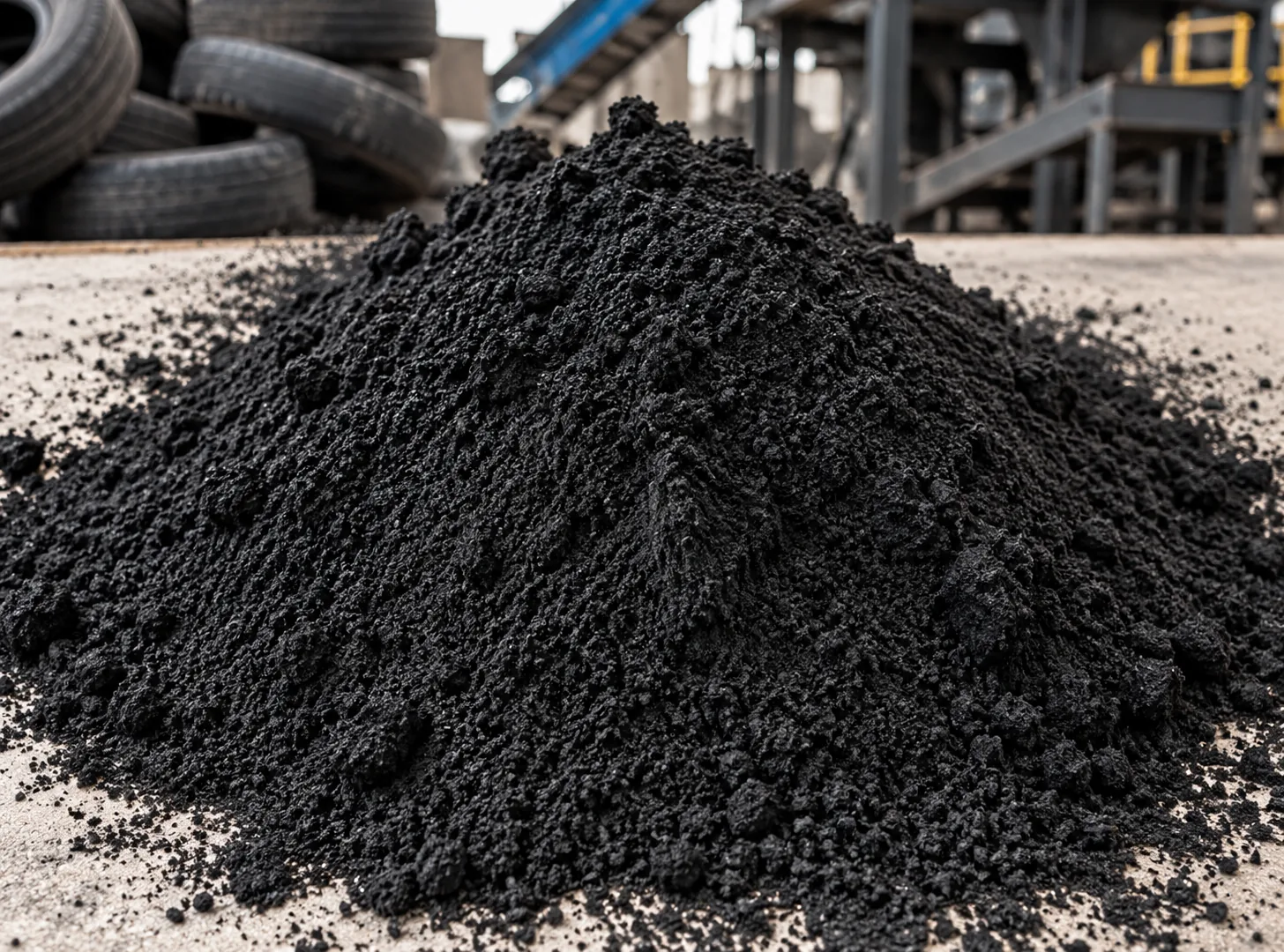
Size-reduced tyre pieces prepared for the next use or process.
Smaller rubber material produced when additional reduction and screening are used.
Ferrous steel separated from the material stream.
Material returned for another size-reduction pass when required.
Tell us the tyre type and the output you need.
Share the basic project details. We can then discuss a suitable processing sequence and the equipment that may be required.
Talk to DSC Engineering
For a scrap tyre recycling project discussion, send the available details on WhatsApp or call our team.
WhatsApp Project TeamCall +91 99588 58881Explore other waste project solutions
Move directly to the waste category relevant to your project.
Common project questions
Simple answers for buyers planning a scrap tyre processing or recycling project.
What is a scrap tyre recycling plant?
It is a processing line used to cut and size-reduce old tyres and, depending on the project, separate steel and grade the rubber fraction for the next use or process.
Can passenger and truck tyres use the same machine line?
Not always. Tyre size, construction and required output affect the shredder, cutter design, feeding arrangement and number of processing stages.
What outputs can be produced from scrap tyres?
Depending on the plant configuration, outputs can include tyre shreds or chips, smaller rubber fractions, recovered steel and oversize material for reprocessing.
How is plant capacity selected?
Capacity is considered together with tyre type, operating hours, required output size, number of processing stages, power and site handling arrangement.
Can DSC Engineering plan a complete waste tyre processing line?
DSC Engineering can support project-specific process planning, equipment selection, fabrication or integration, plant layout, installation and commissioning support according to the agreed scope.